

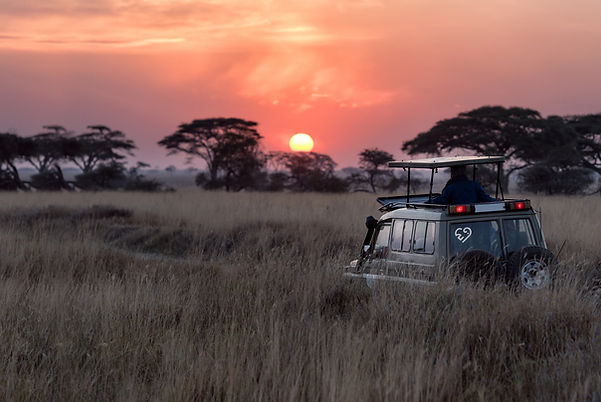

WILDLIFE SAFARI
Tanzania is a prime destination for safari enthusiasts, with its dry season (June to October) offering ideal conditions for witnessing incredible wildlife. The country's tropical climate ensures pleasant temperatures, ranging from 25°C to 32°C during the day, with cooler mornings and evenings.
Seasonal Events:
- The Great Migration (June to October): Witness majestic wildebeest and zebra migration in the Serengeti.
- The Calving Season (December to February): Experience the miracle of new life as wildebeest and zebras give birth to their young.
North Tanzania Seasons:
- Dry Season (June to October): Perfect for wildlife viewing and safari adventures.
- Green Season (November to May): Lush landscapes and fewer tourists make for a unique and peaceful experience.
Let Xpanding Tours Guide You:
With expert knowledge and tailored experiences, Xpanding Tours can help you plan an unforgettable trip to Tanzania. Whether you're a seasoned safari-goer or a wildlife enthusiast, they'll ensure your adventure is nothing short of extraordinary.


MT KILIMANJARO WHEN TO VISIT:
Mount Kilimanjaro offers climbing opportunities throughout the year, with optimal periods falling between April to May and mid-October to late December.
For those seeking a serene experience, January and February are recommended, particularly if you choose the Shira or Lemosho routes. On these routes, it is unlikely to encounter many other climbers until the 3rd or 4th day of your ascent.
Alternatively, if you opt for the Rongai route, you may even have the entire camp to yourself. However, it is important to note that the period from July to September is the busiest time on the mountain, although the weather conditions for climbing are slightly more favorable during this time.
If you plan to climb Mount Kilimanjaro during the wet season, particularly in early January or early June, you should expect tougher conditions at the summit.
The average temperature will be colder and there will be a lot of snow. To prepare for any potential weather-related delays, we recommend adding an extra day to your climb during the off-season. However, it’s worth noting that the warmest and driest months are generally considered the best time to climb. Pleasant weather increases your chances of a successful summit, but keep in mind that these periods also see more traffic on the mountain.
January, February, and September are widely regarded as the most favorable months in terms of weather, consequently making them the busiest months.
The period from January to mid-March experiences the warmest weather, with mornings and evenings characterized by clear skies. However, clouds may appear during the day, occasionally accompanied by brief showers. From the end of March to early June, the region enters a prolonged rainy season. During this time, heavy clouds may reduce visibility, but the number of tourists decreases significantly.
June, July, and August are also pleasant months, albeit slightly colder. September and October mark the onset of the short rainy season, which lasts from November until early December. During this period, afternoon rains are common, but the mornings and evenings typically offer clear skies.


ZANZIBAR WHEN TO VISIT:
The best time to visit Zanzibar is from June to October during the cool, dry season with minimal rainfall and warm weather and sea temperatures. This period is also the high season for safaris on the Tanzania mainland and the island is busy with all facilities in full operation.
January and February, when it’s hot and dry, are also popular months to visit Zanzibar. Temperatures are slightly higher and rainfall is still minimal. While still busy, there is a slightly more laid back atmosphere than the peak summer months.
There are two rainy seasons in Zanzibar. The main season, called the “long rains” or “Masika” in Swahili is mainly during April and May. The second rainy season, “the short rains” or “Vuli” that last only for a few minutes, usually in the mornings, is mainly during November to December. Visitor numbers during the rainy seasons are lower and some businesses may be closed but visiting the island during these months offers a unique experience that many enjoy.
Daytime temperatures in Zanzibar are wonderfully consistent throughout the year. Maximum temperatures rarely exceed the mid 30s in Celsius (approximately 90 Fahrenheit) during the hot season with the rainy seasons being 3-4 degrees lower.
During the night the temperature doesn’t usually go below a mild 21 degrees Celsius anytime of the year. The sea is warm enough for swimming all year round, from 25 degrees Celsius in August to 29 degrees Celsius from December to April.